What architectural models are made of.
Most architectural models are cut from sheets 1–3 mm thick: greyboard for working and terrain models, white card for presentation, basswood for fine parts, kraft MDF for laser work, acrylic for glass. At 1:100 a 2 mm sheet reads as a 20 cm wall, so the thickness you choose is the wall you get.
- Kraft MDF 2 · 3 mm
- Corrugated board 3 · 5 mm
- Red card 1 · 2 mm
- Balsa 1 · 1.5 · 2 · 3 mm
- Dark wood 1.5 · 3 mm
- Terracotta 2 · 3 mm
- Basswood 0.8 · 1.5 · 3 mm
- Greyboard 1 · 1.5 · 2 mm
- Acrylic 1 · 2 · 3 mm
- White card 1 · 2 · 3 mm
- White foam board 3 · 5 mm
Each sheet, up close.
Stepped plates and a standing corner, cut from every sheet the studio offers in a thickness it really comes in, under a low raking lamp. One camera, one lens, one scale for all eleven.
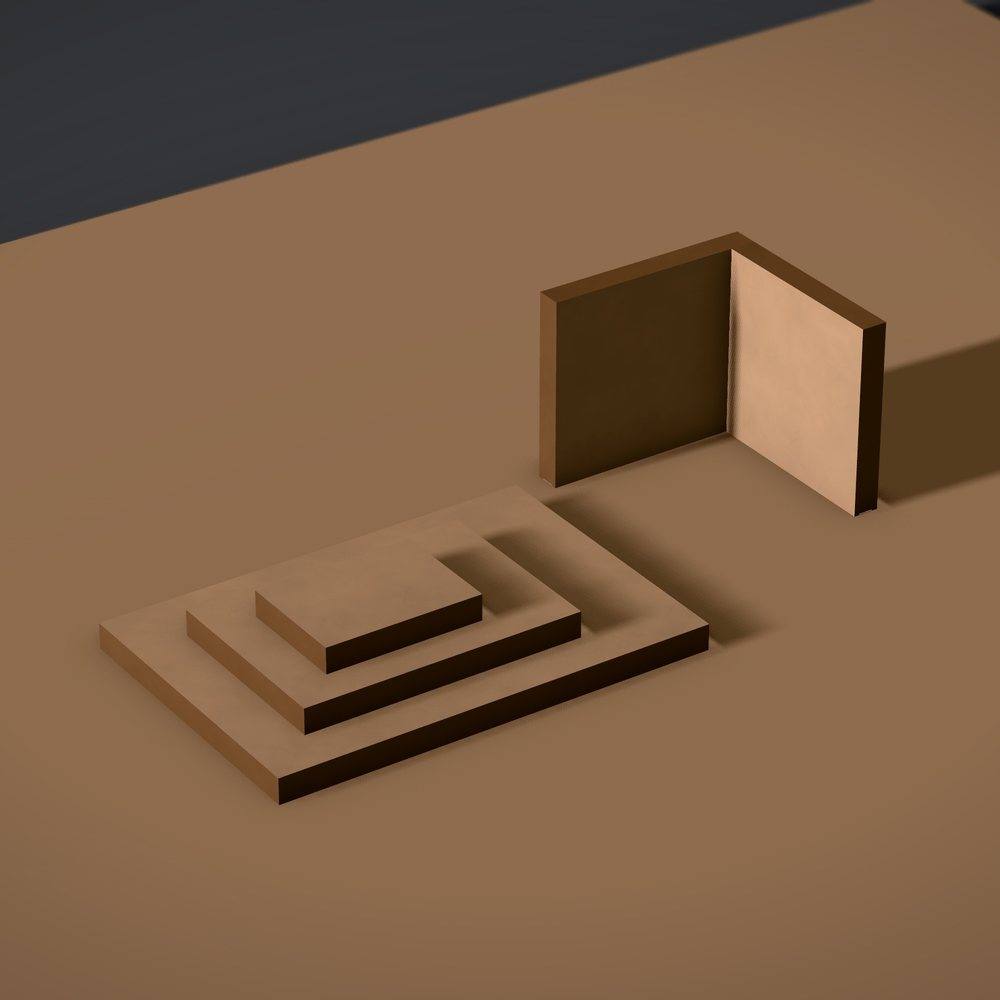
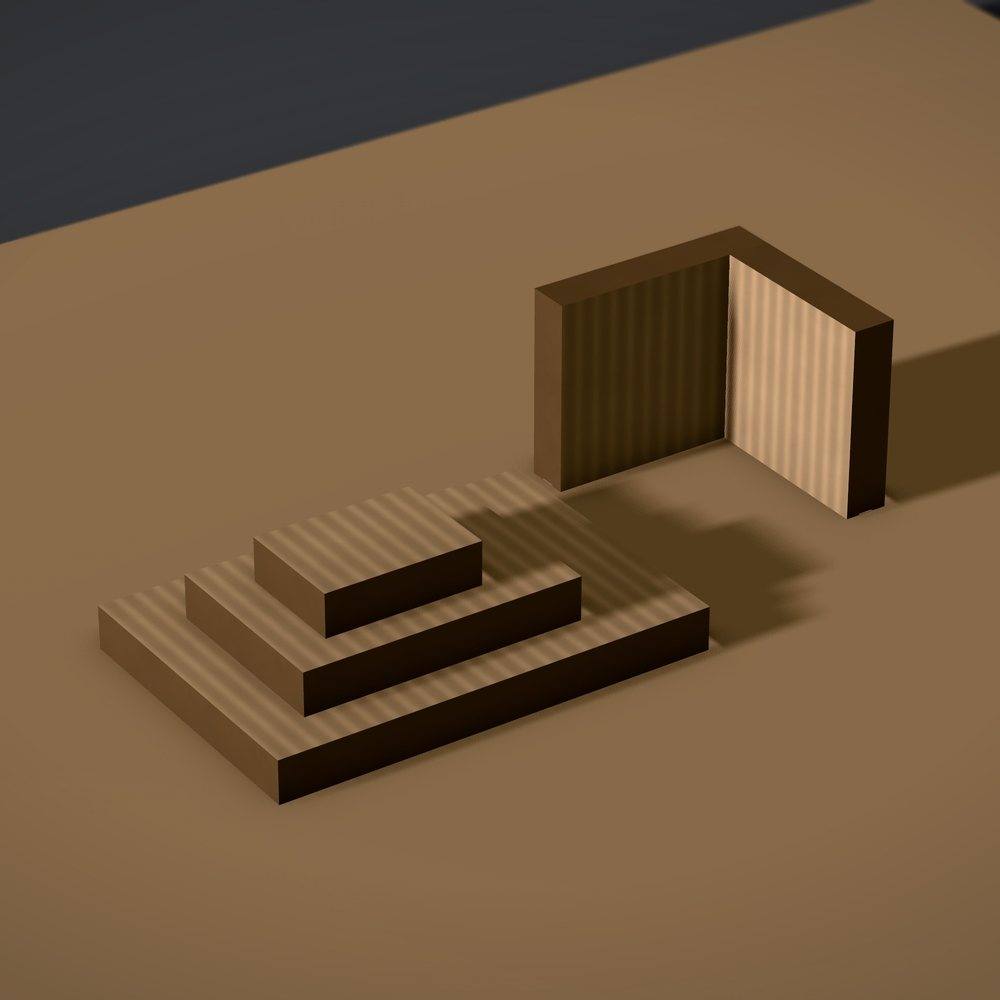
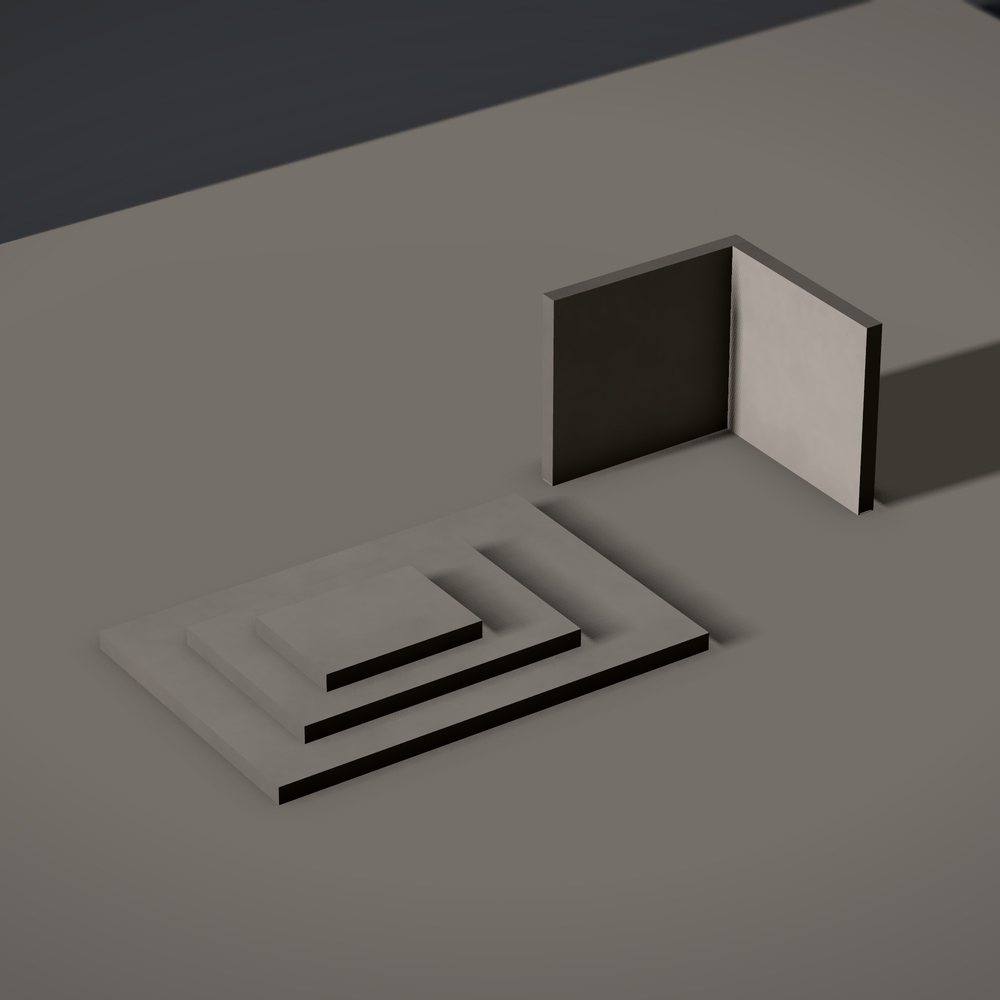
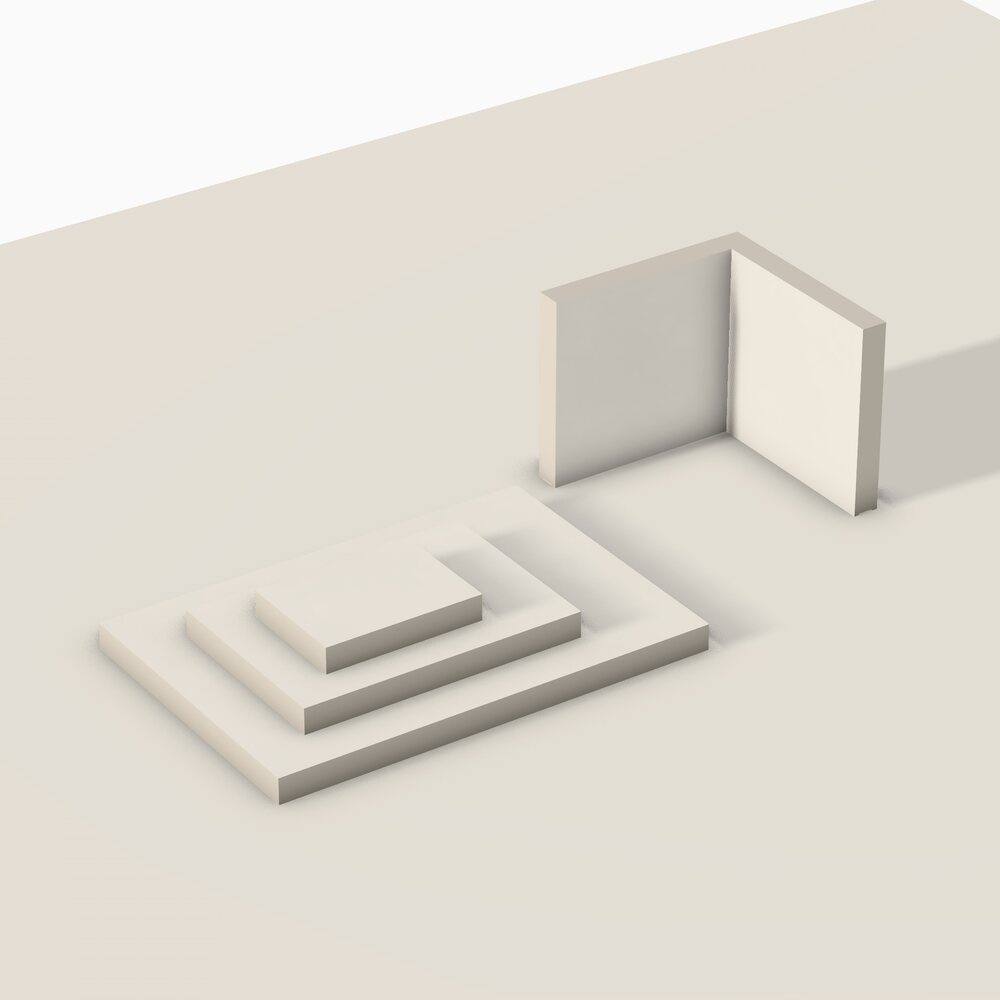
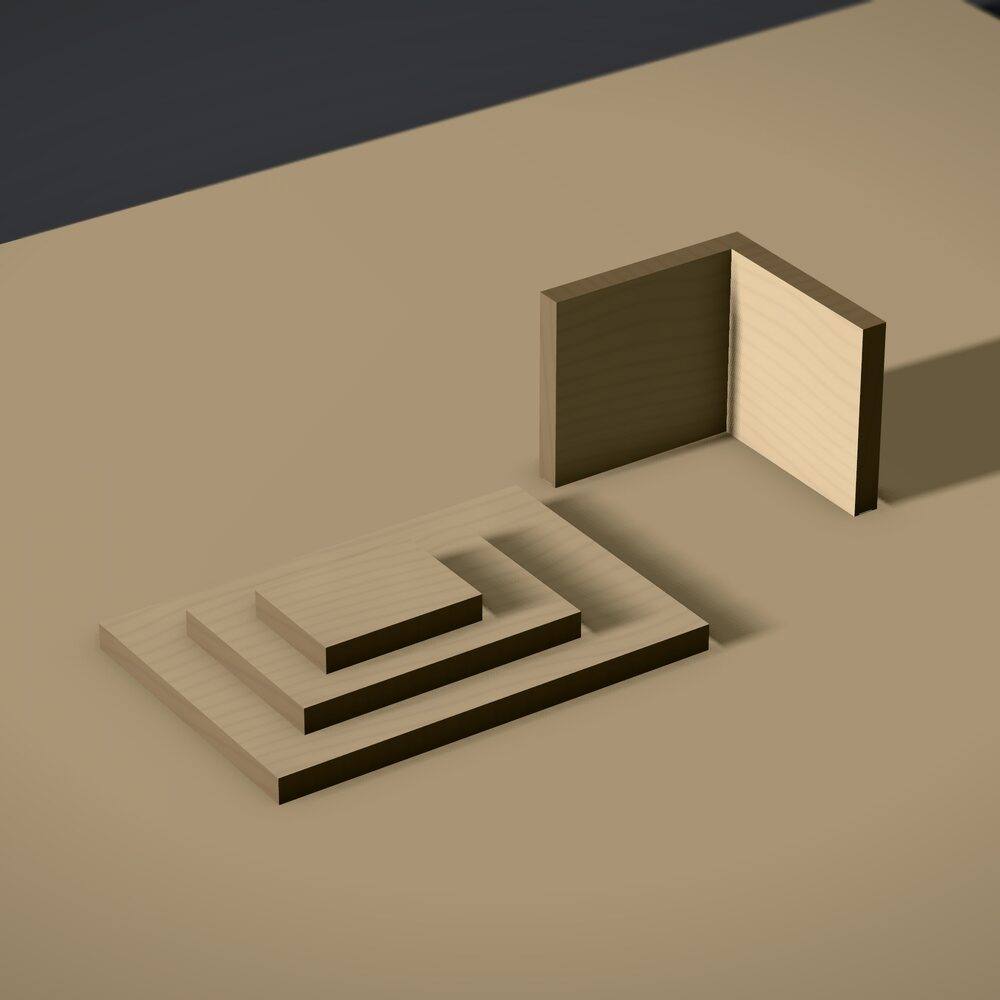
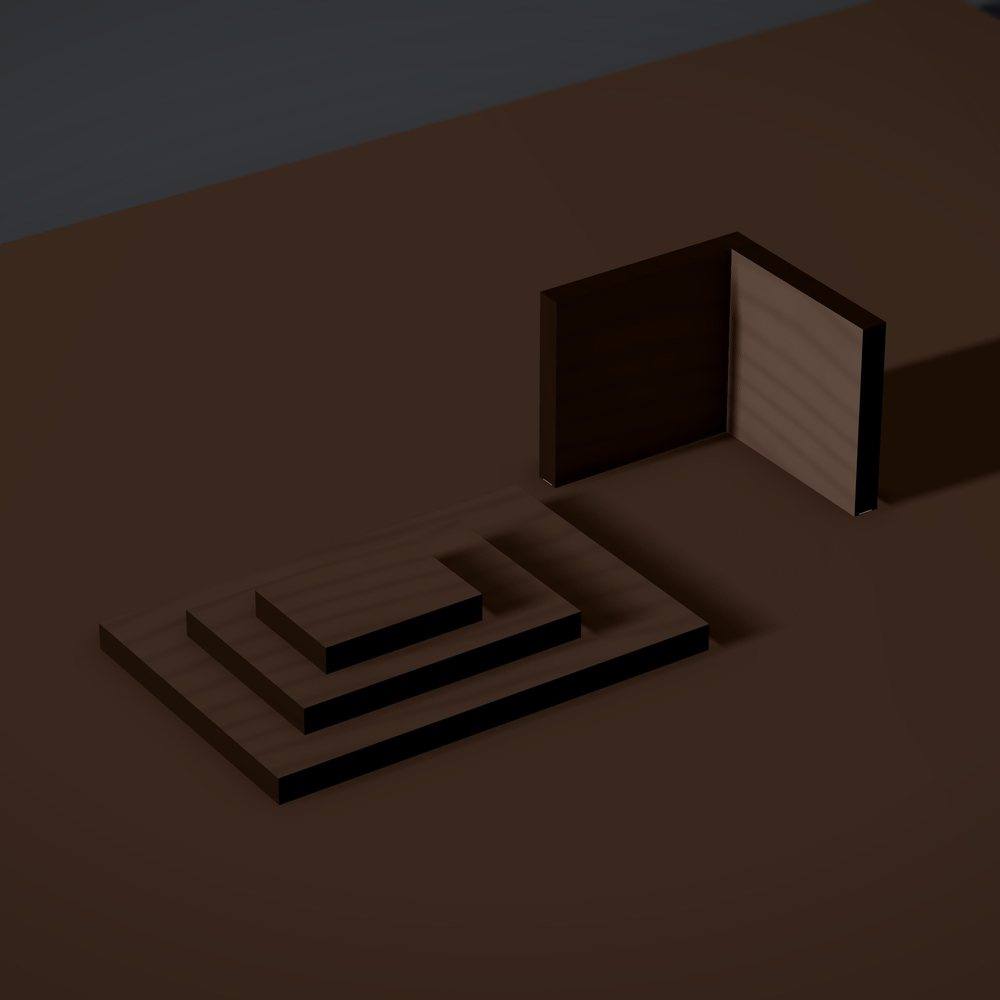
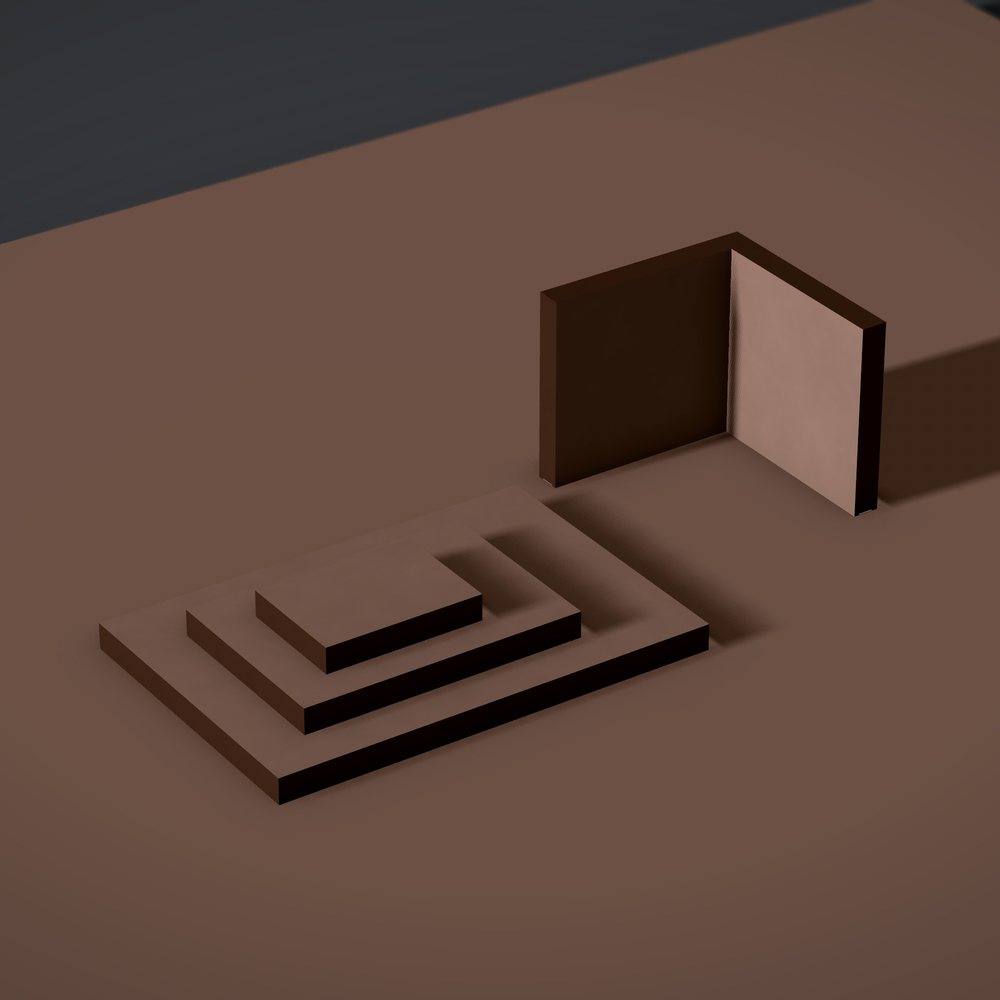
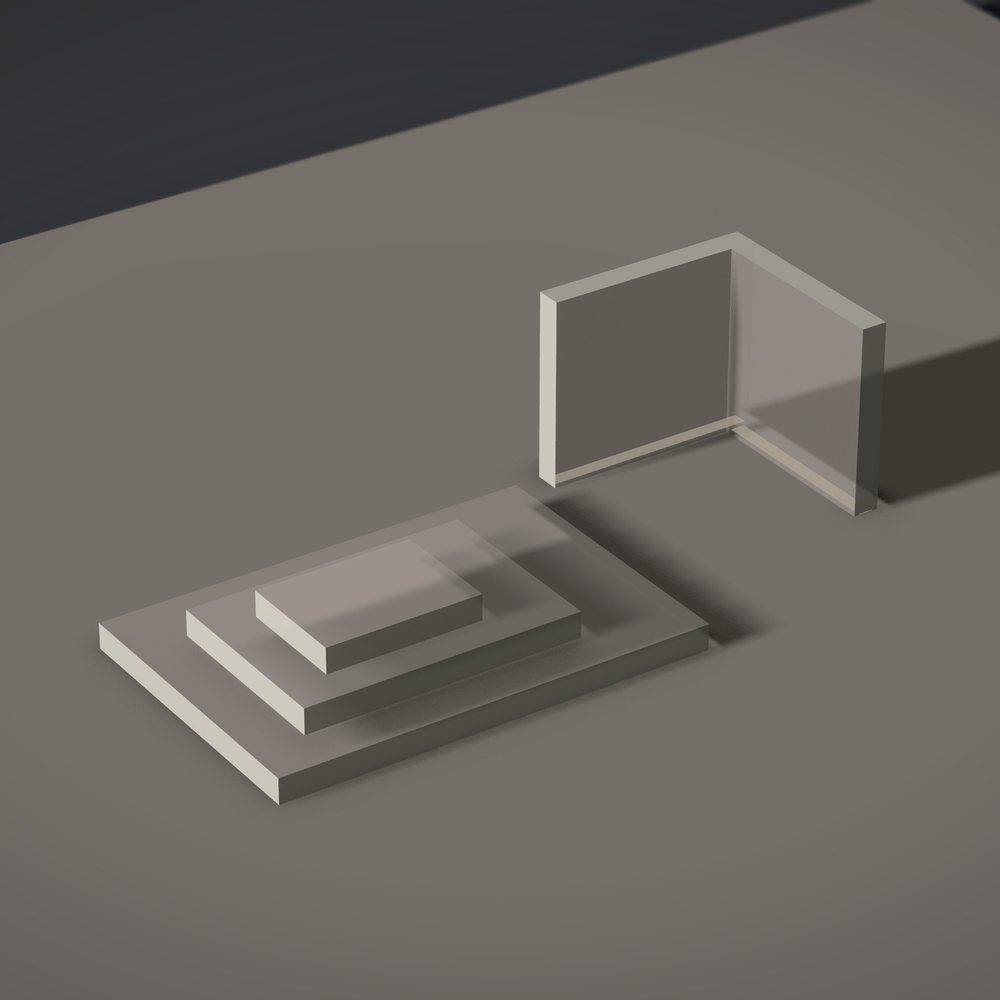
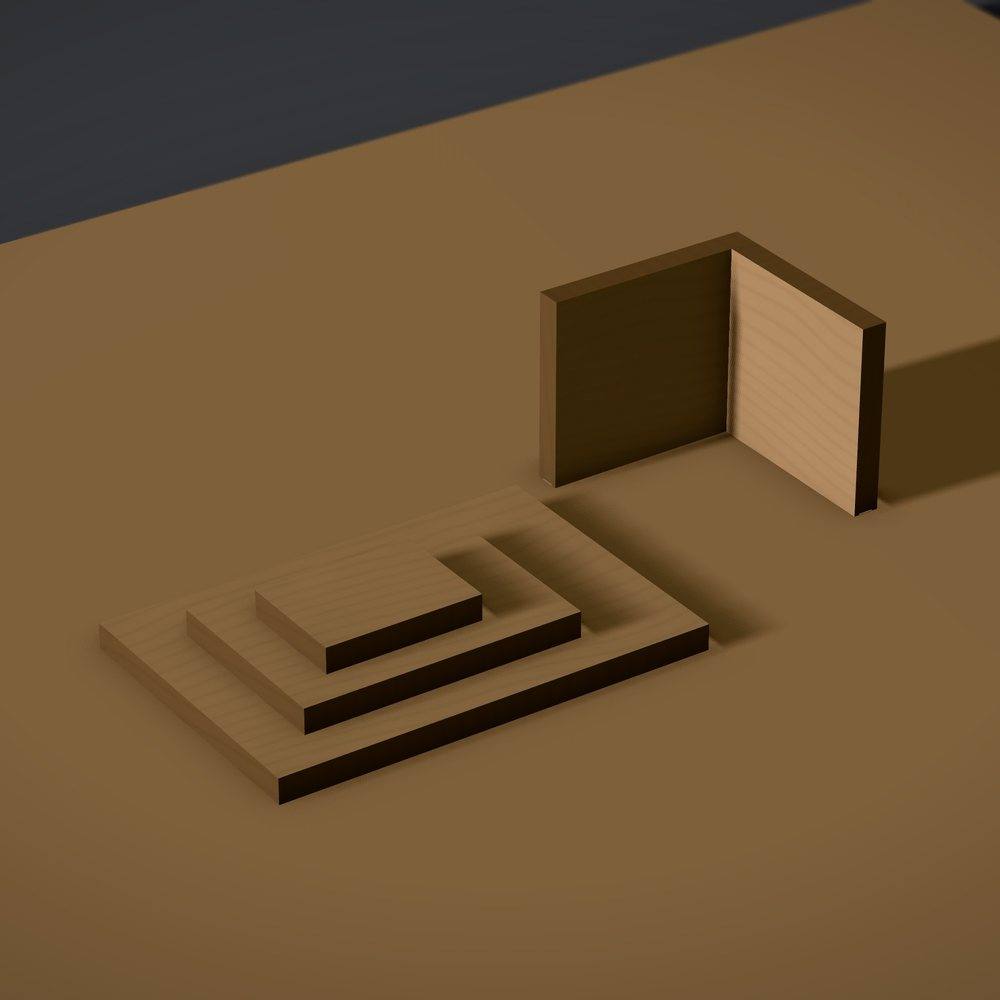
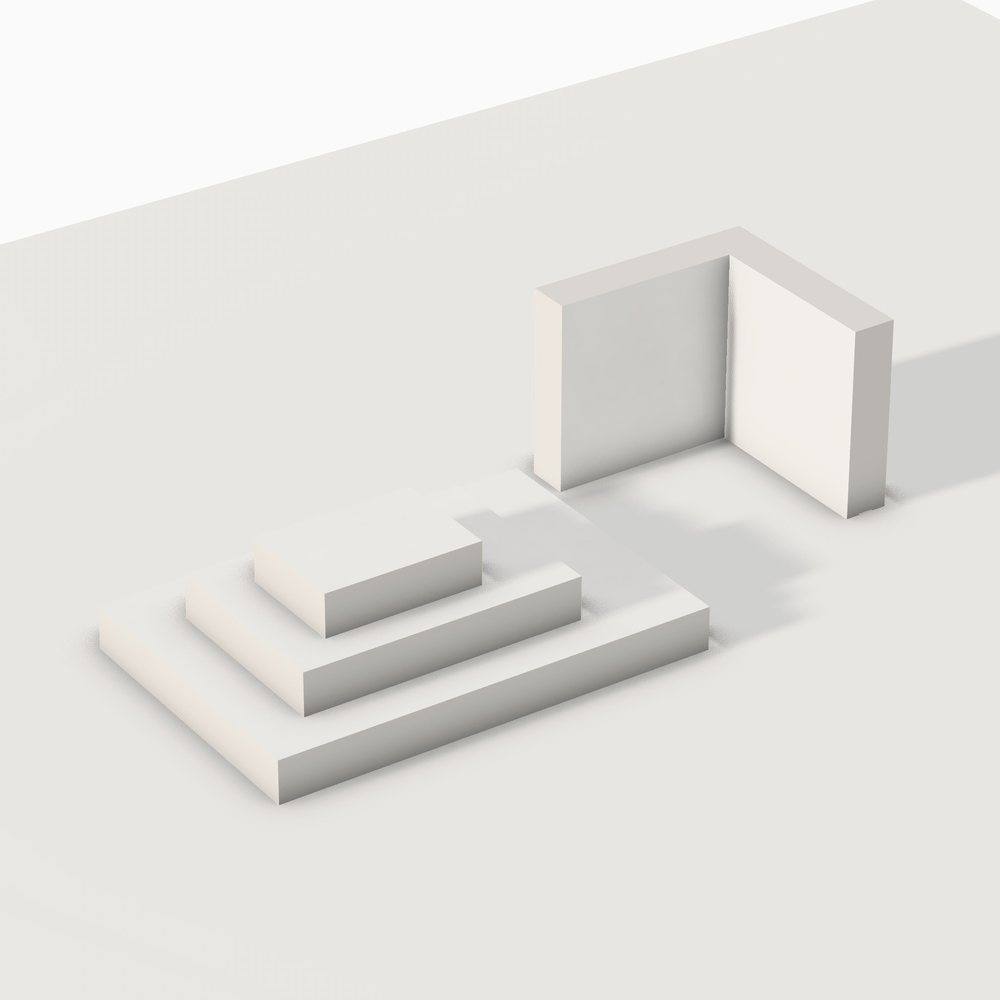
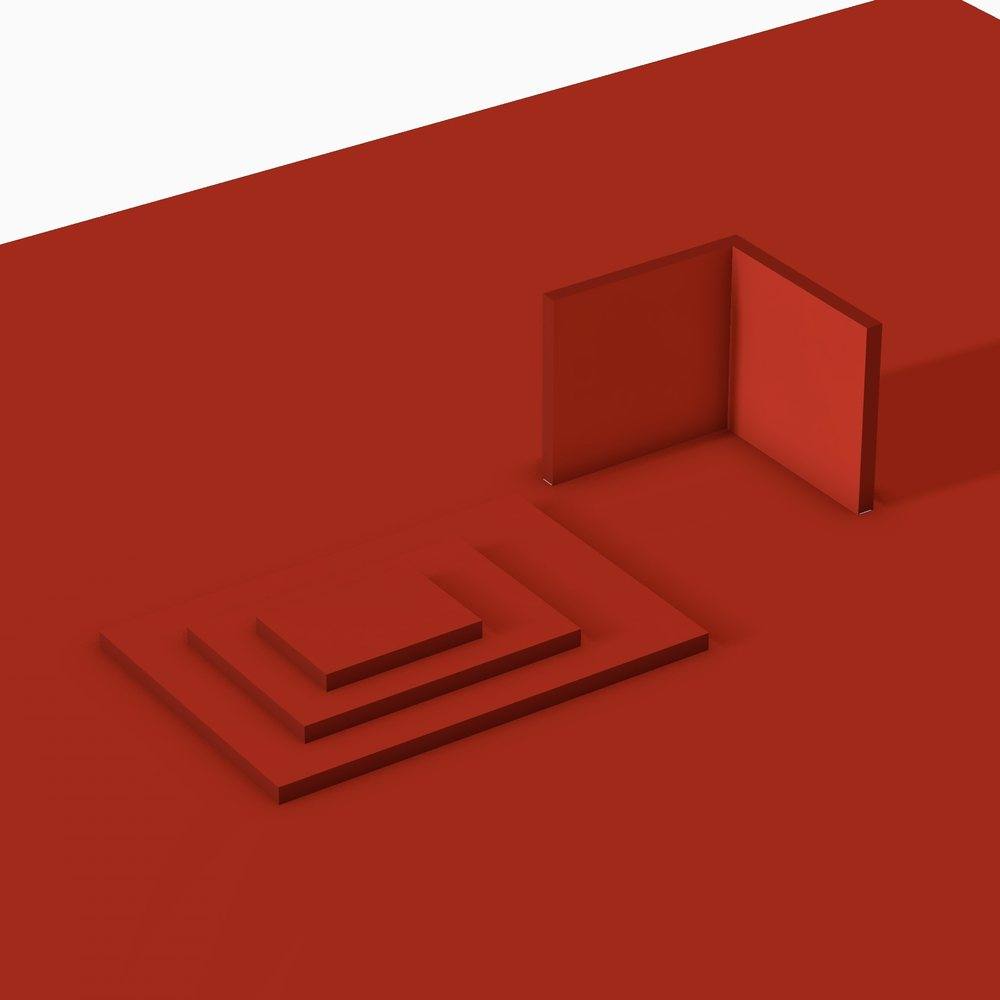
Eleven sheets on the shelf
These are the materials in the studio, with the numbers the knife and the laser work to. Each one keeps its own thicknesses, kerf and smallest part, so the studio can warn you before a cut fails.
| Material | Sheets | By knife | Kerf | Smallest part | Laser speed | Good for |
|---|---|---|---|---|---|---|
| Kraft MDF | 2 · 3 mm | no, laser only | 0.2 mm | 1 mm | 2 mm → 15 mm/s · 3 mm → 10 mm/s | the warm “model” look, laser work, base boards |
| Corrugated board | 3 · 5 mm | 3 mm → 2 passes · 5 mm → 2 passes | 0.3 mm | 5 mm | 3 mm → 30 mm/s · 5 mm → 18 mm/s | terrain, bases, ribbed textures |
| Greyboard | 1 · 1.5 · 2 mm | 1 mm → 2 passes · 1.5 mm → 3 passes · 2 mm → 4 passes | 0.2 mm | 1 mm | 1 mm → 20 mm/s · 1.5 mm → 13 mm/s · 2 mm → 10 mm/s | working and massing models, terrain |
| White card | 1 · 2 · 3 mm | 1 mm → 2 passes · 2 mm → 4 passes · 3 mm → 6 passes | 0.15 mm | 0.8 mm | 1 mm → 30 mm/s · 2 mm → 15 mm/s · 3 mm → 10 mm/s | presentation models, the “white world” |
| Basswood | 0.8 · 1.5 · 3 mm | 0.8 mm → 1 pass · 1.5 mm → 2 passes · 3 mm → 3 passes | 0.15 mm | 1 mm | 0.8 mm → 28 mm/s · 1.5 mm → 15 mm/s · 3 mm → 7 mm/s | fins, frames, fine details |
| Dark wood | 1.5 · 3 mm | no, laser only | 0.2 mm | 1 mm | 1.5 mm → 20 mm/s · 3 mm → 10 mm/s | contrast volumes, bases |
| Terracotta | 2 · 3 mm | no, laser only | 0.2 mm | 1 mm | 2 mm → 15 mm/s · 3 mm → 10 mm/s | warm accent volumes |
| Acrylic | 1 · 2 · 3 mm | score and snap | 0.15 mm | 1.5 mm | 1 mm → 24 mm/s · 2 mm → 12 mm/s · 3 mm → 8 mm/s | glass, water, lit volumes |
| Balsa | 1 · 1.5 · 2 · 3 mm | 1 mm → 1 pass · 1.5 mm → 2 passes · 2 mm → 2 passes · 3 mm → 3 passes | 0.15 mm | 1 mm | 1 mm → 40 mm/s · 1.5 mm → 27 mm/s · 2 mm → 20 mm/s · 3 mm → 13 mm/s | warm timber: decks, cylinders, trees |
| White foam board | 3 · 5 mm | 3 mm → 2 passes · 5 mm → 3 passes | 0.3 mm | 3 mm | 3 mm → 20 mm/s · 5 mm → 12 mm/s | a pure white context, quick volumes |
| Red card | 1 · 2 mm | 1 mm → 2 passes · 2 mm → 4 passes | 0.15 mm | 0.8 mm | 1 mm → 30 mm/s · 2 mm → 15 mm/s | figures and small accents |
Starting values for a 40–60 W CO2 laser with air assist and a fresh blade; test the kerf and speed on your own machine. The knife and laser columns read “thickness → passes” and “thickness → speed”.
How thick is the wall at each scale?
A model’s thickness is multiplied by the scale. Pick the sheet that matches the real wall, or accept a thicker wall as the price of a sturdy model.
| Sheet | 1:50 | 1:100 | 1:200 | 1:500 |
|---|---|---|---|---|
| 1 mm | 5 cm | 10 cm | 20 cm | 50 cm |
| 1.5 mm | 7.5 cm | 15 cm | 30 cm | 75 cm |
| 2 mm | 10 cm | 20 cm | 40 cm | 1 m |
| 3 mm | 15 cm | 30 cm | 60 cm | 1.5 m |
| 5 mm | 25 cm | 50 cm | 1 m | 2.5 m |
Example: a 30 cm brick wall is 3 mm at 1:100, or 6 mm at 1:50, which is two sheets of 3 mm glued together.
Which material for which model?
-
Massing and working models
Greyboard 1–2 mm. Cheap, quiet to cut, forgiving under the knife; grey keeps attention on form.
-
Presentation models
White card 1–2 mm, sometimes with basswood or acrylic accents. Photographs well in the White world preset.
-
Terrain and site models
Greyboard, corrugated board or kraft MDF; the sheet thickness sets the contour interval.
-
Glass and water
Acrylic 1–3 mm: scored and snapped by hand, cut cleanly by laser.
When the material says no
Real sheets have limits, and the studio keeps them: a bridge thinner than the smallest part tears, kraft MDF, dark wood and terracotta cannot be cut by hand, corrugated board bends only across its flutes.
It says so quietly, one pencil line beside the problem, the way an experienced model maker would. The line disappears once the part is fixed.
Questions about materials
What thickness of greyboard is best for architectural models?
1–2 mm. 1 mm for small parts and 1:200 massing, 1.5–2 mm for walls at 1:100 and for terrain layers; a 2 mm sheet takes about 4 knife passes.
What is kerf?
The width of material the laser burns away along a cut, about 0.15–0.3 mm for card and wood. Greyboard keeps the parts at least a kerf apart on the sheet and leaves the offset of the outline to your laser software, which knows your machine.
Can I cut MDF or plywood with a knife?
Not well, and not in Greyboard: kraft MDF, dark wood and terracotta are marked laser only. Card, basswood and corrugated board can be cut by hand.
How do I cut acrylic by hand?
Score it once along a steel rule and snap it over an edge. In Greyboard acrylic is cut that way by hand, or cleanly by laser.
Clear the table. Start a model.
Open the studioFree during the beta · no sign-up · iPad, Mac and PC browsers